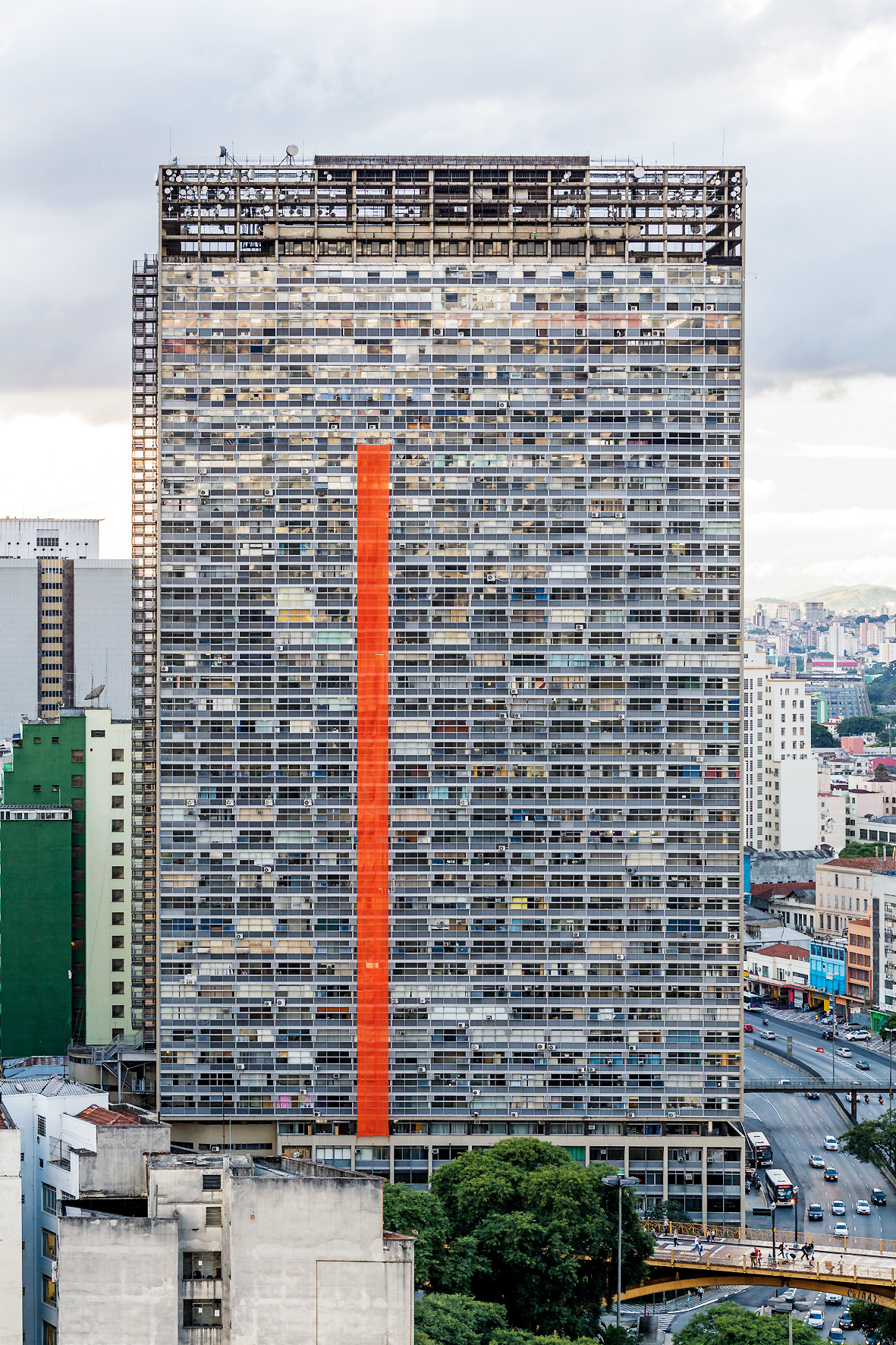
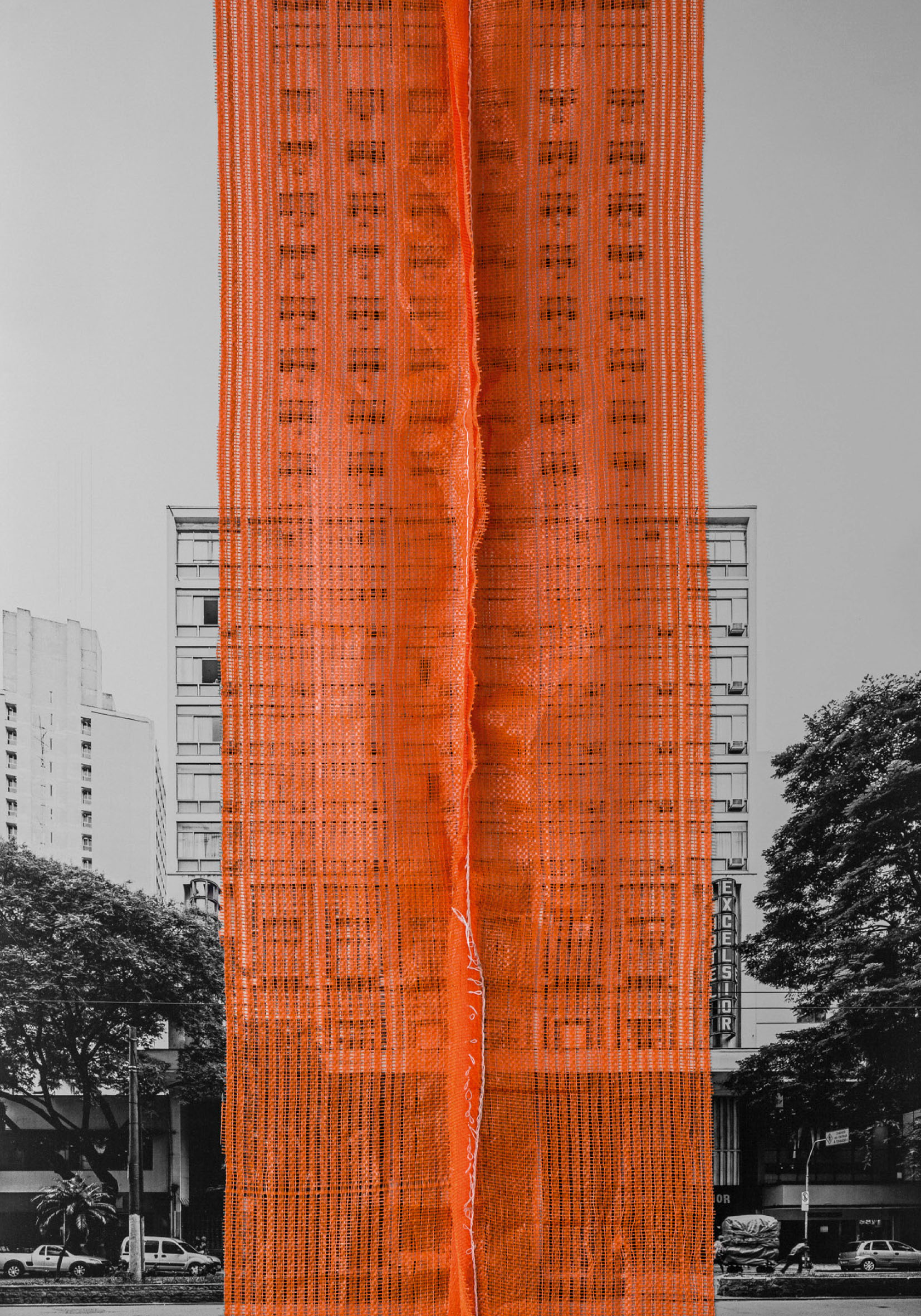
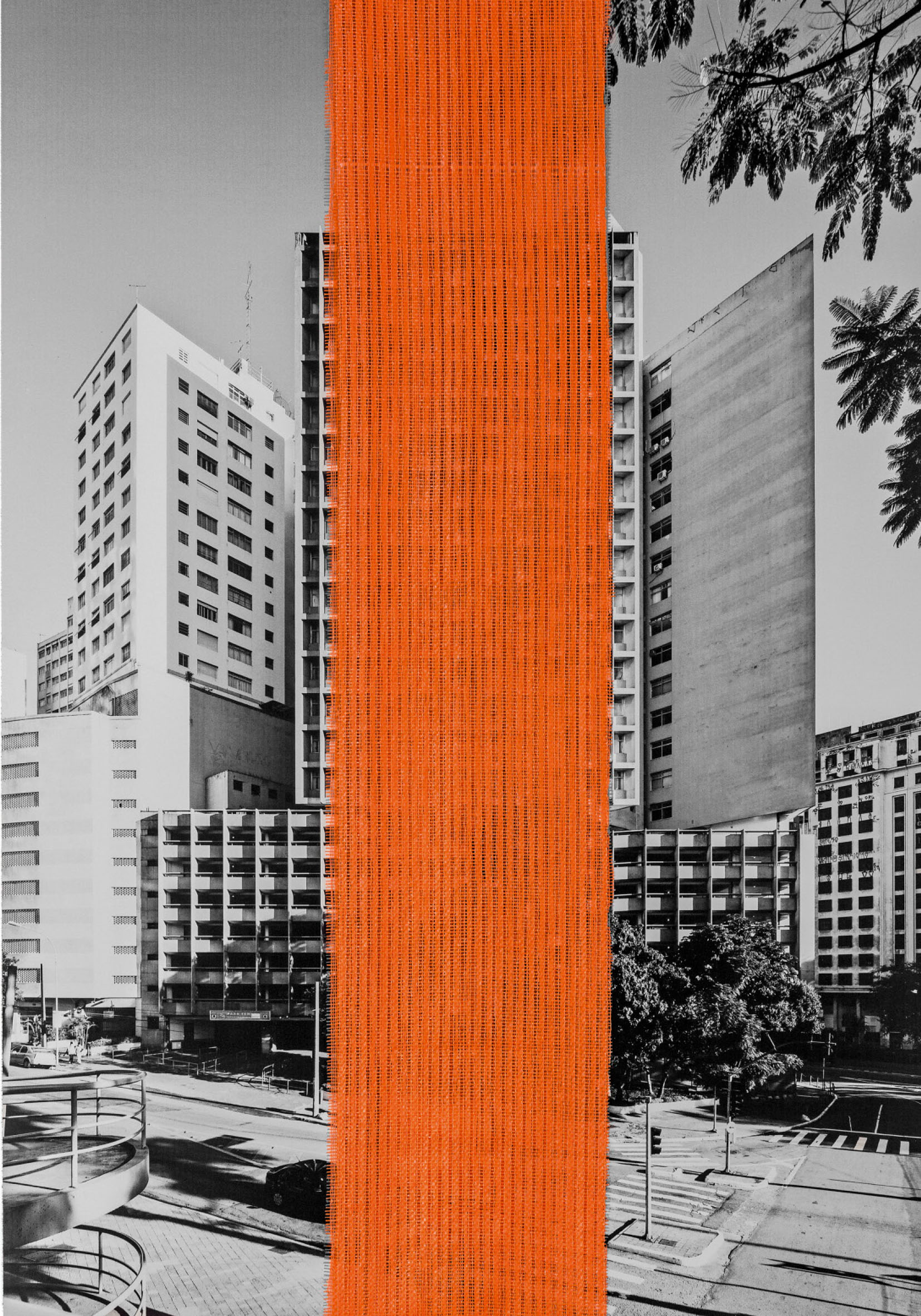
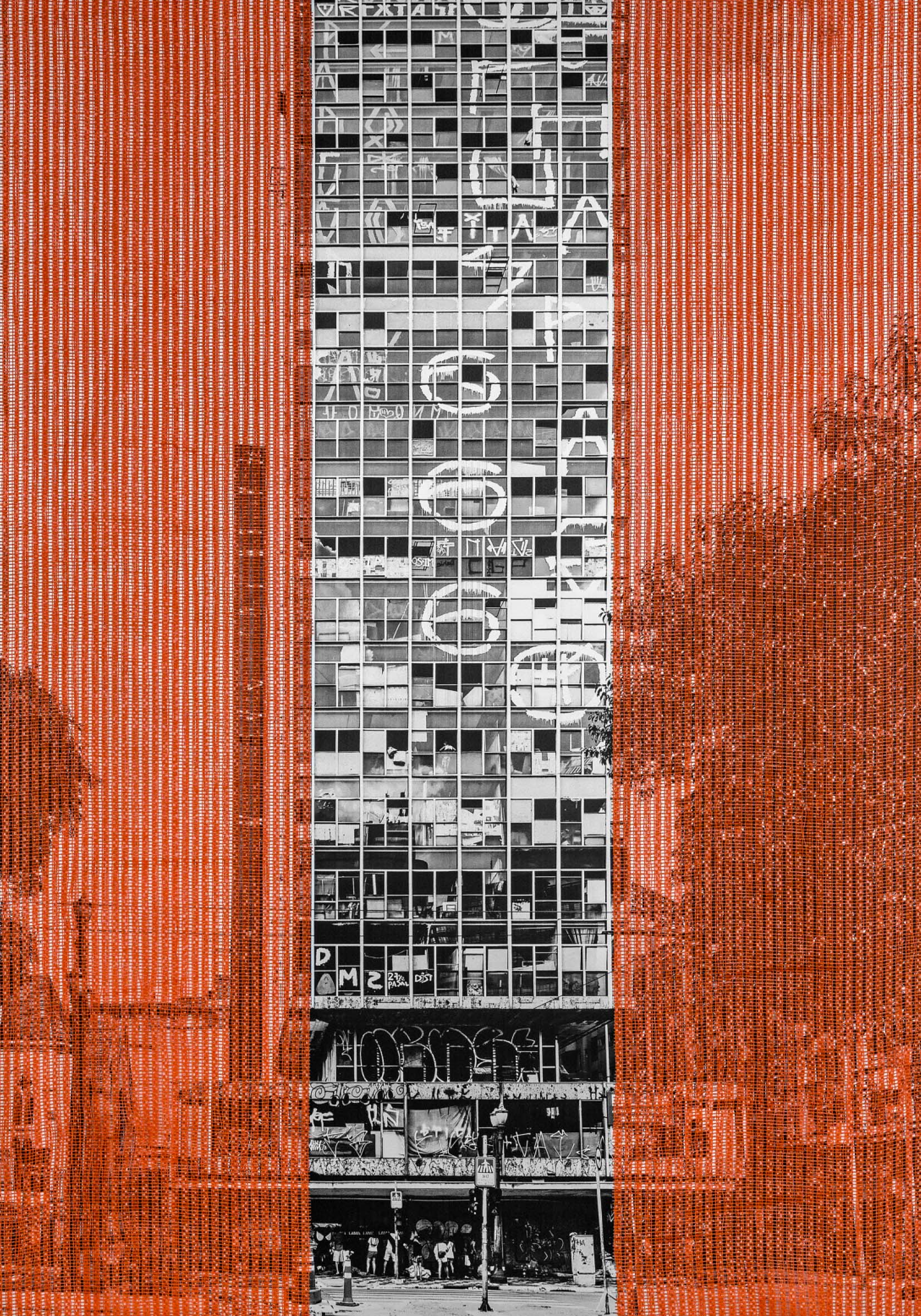
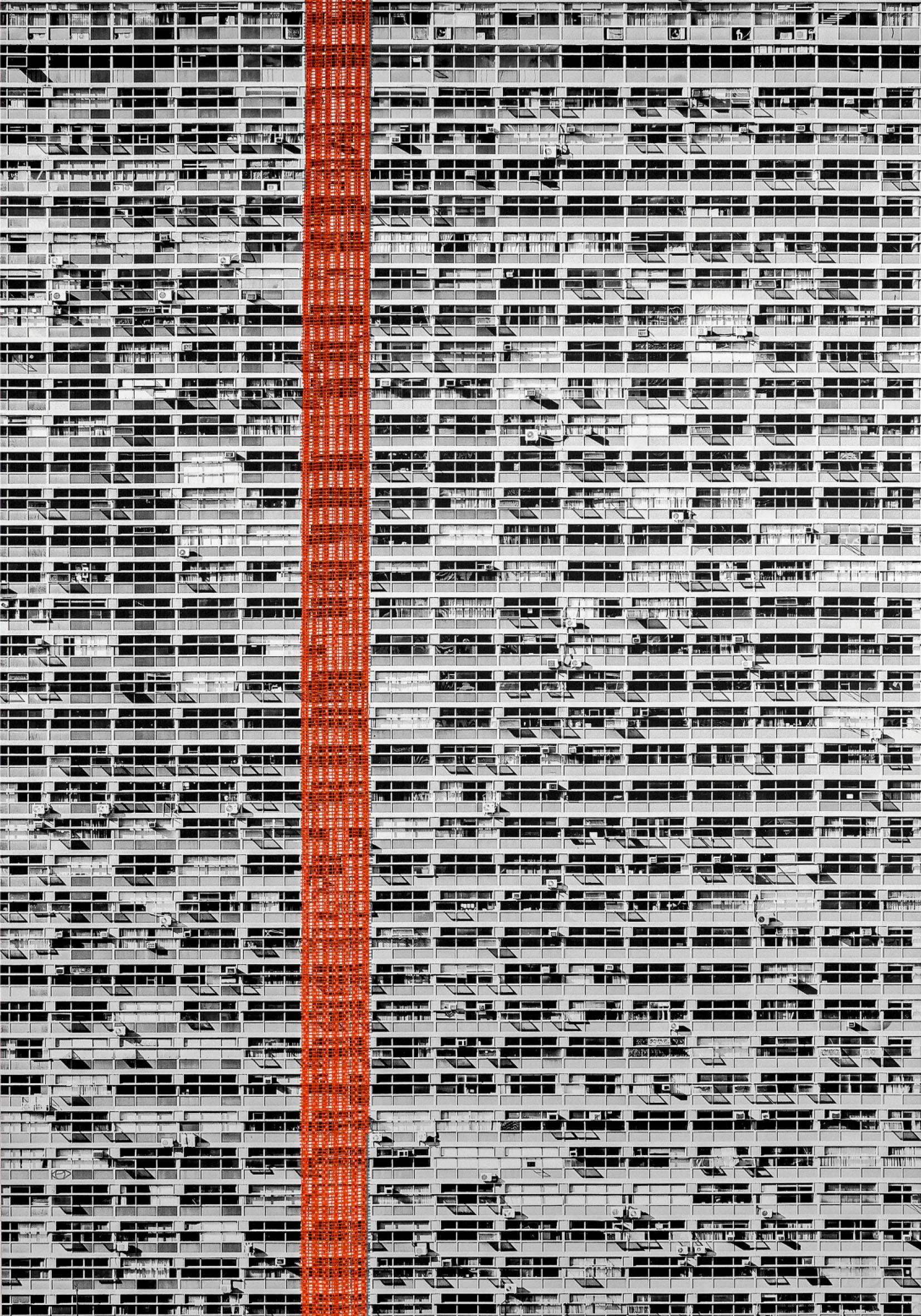
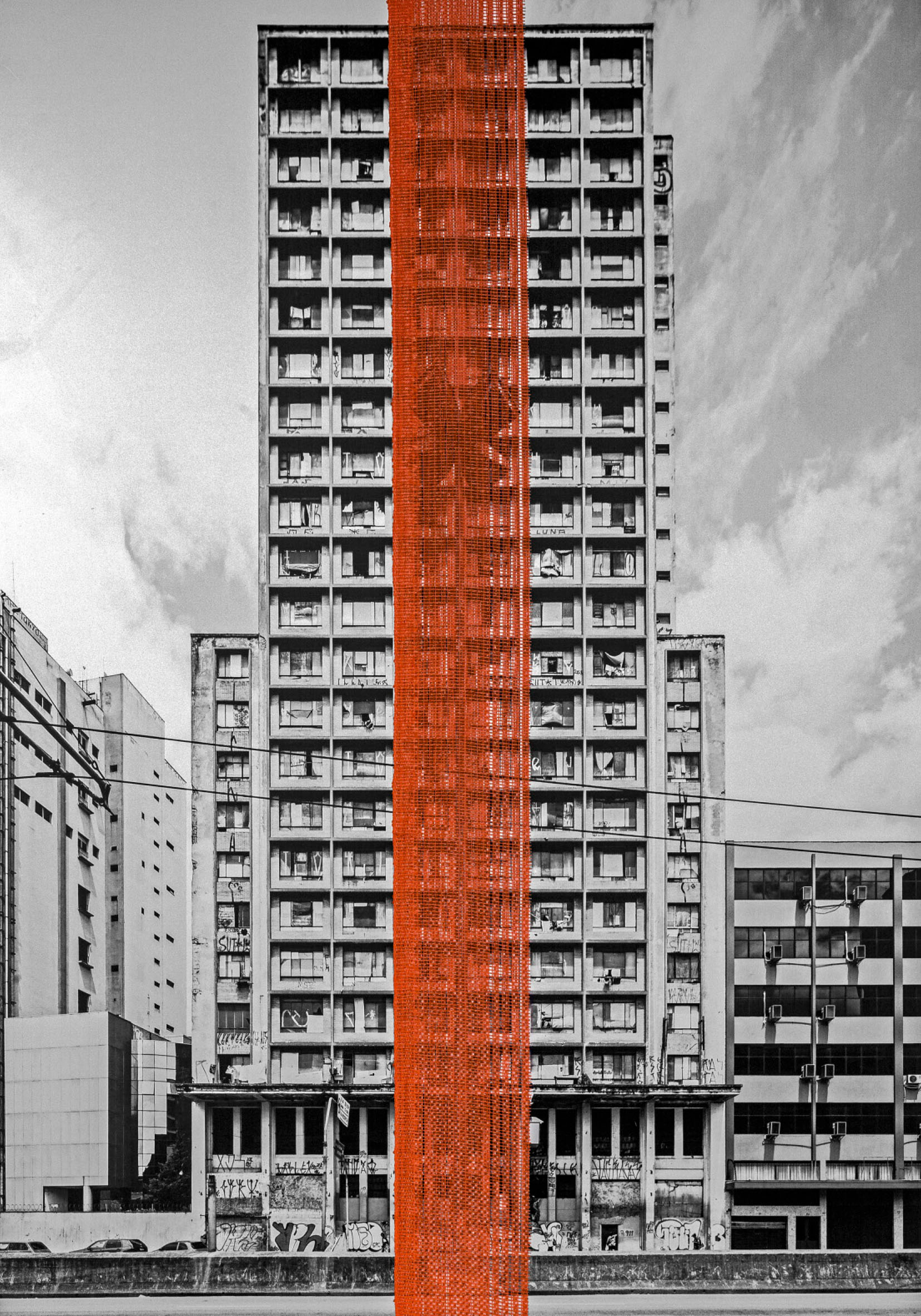
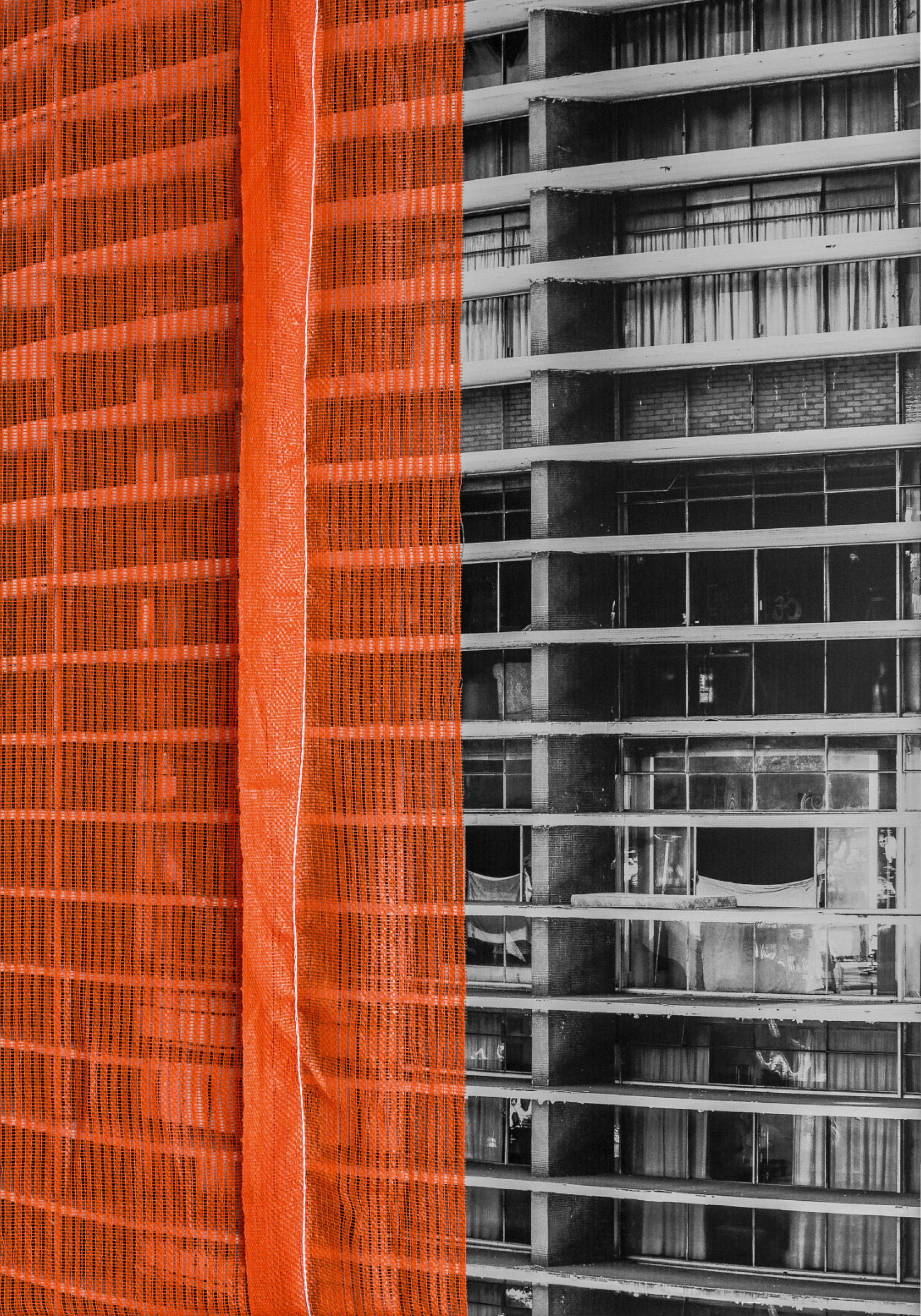
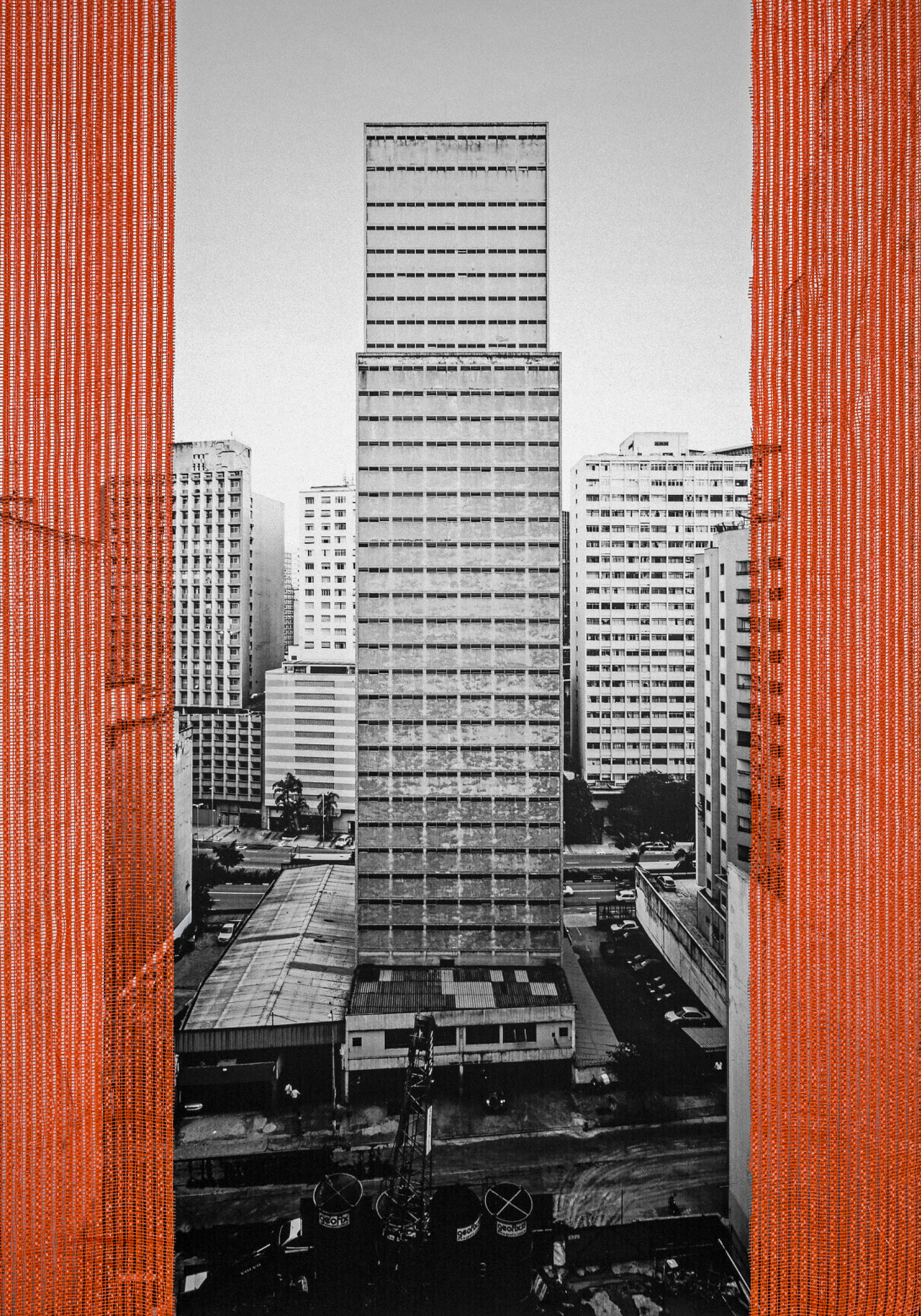
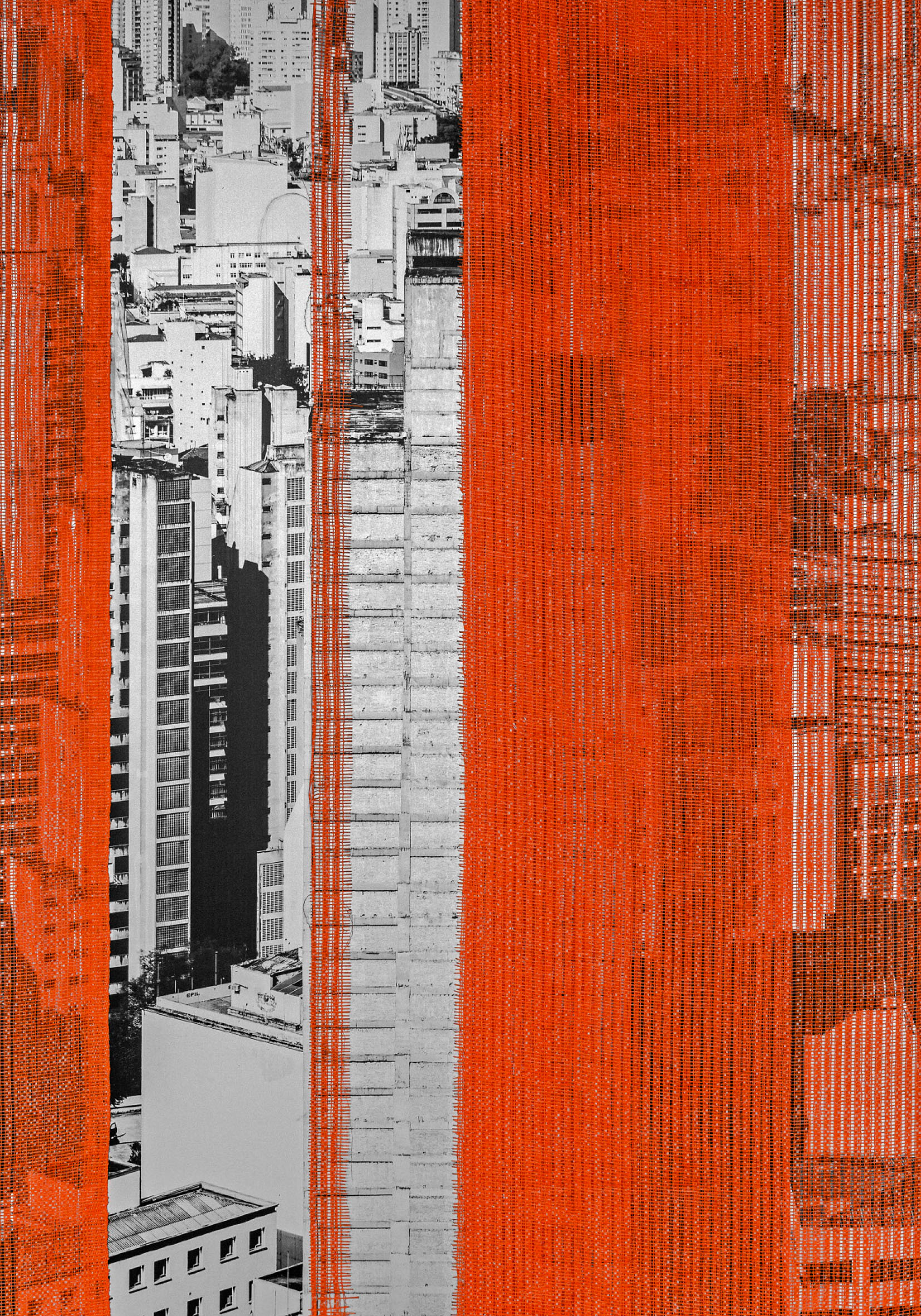
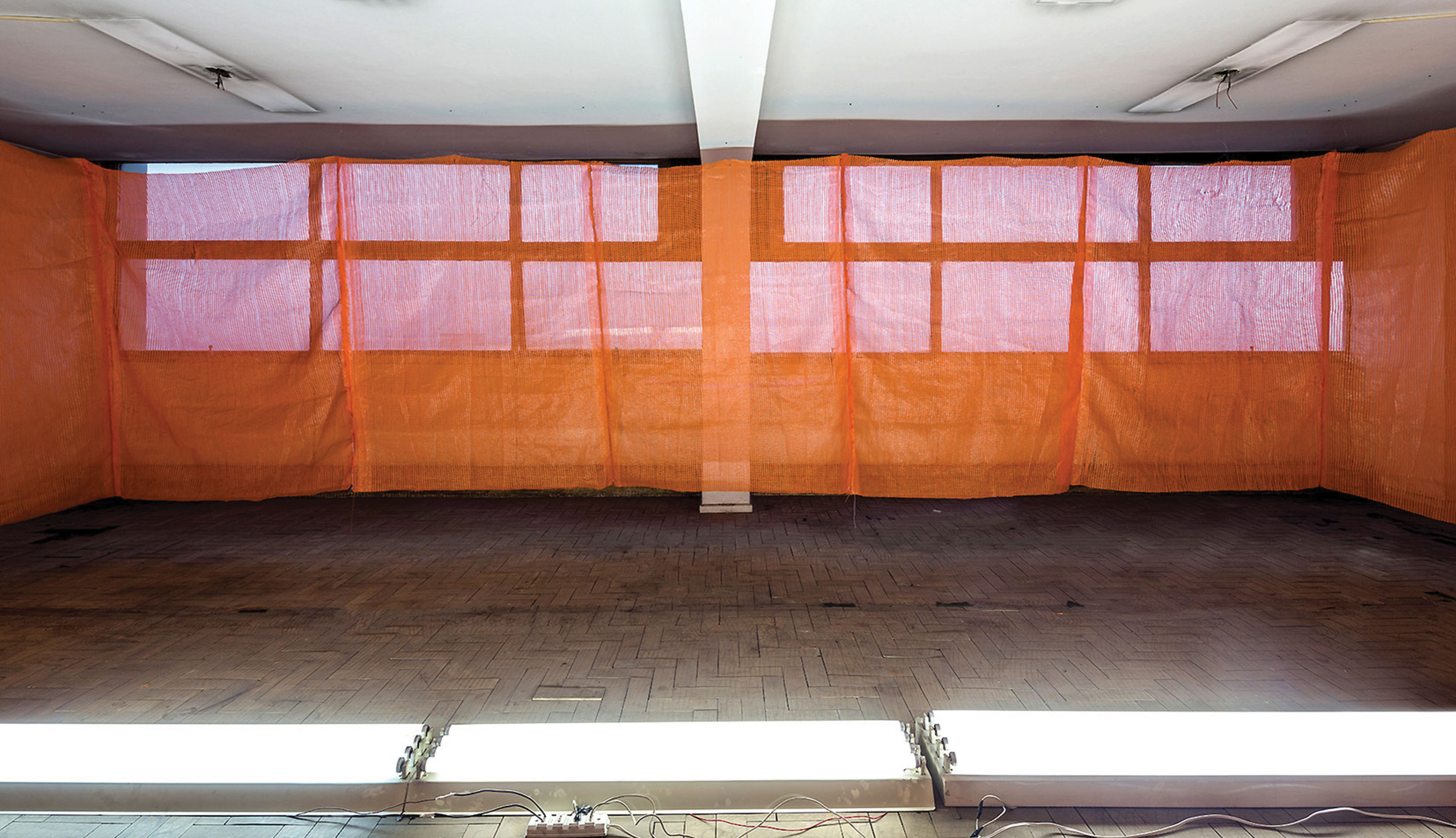
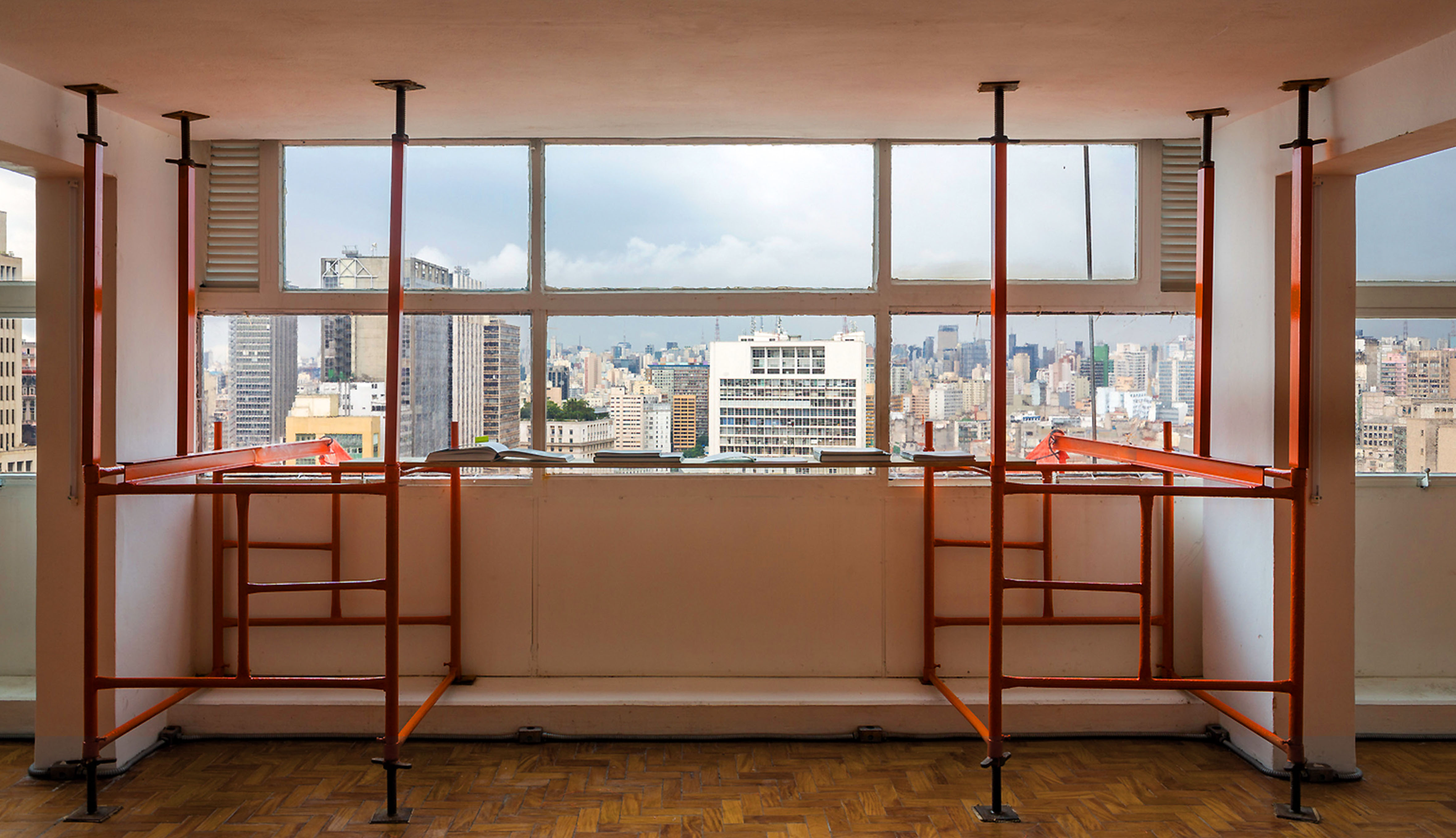
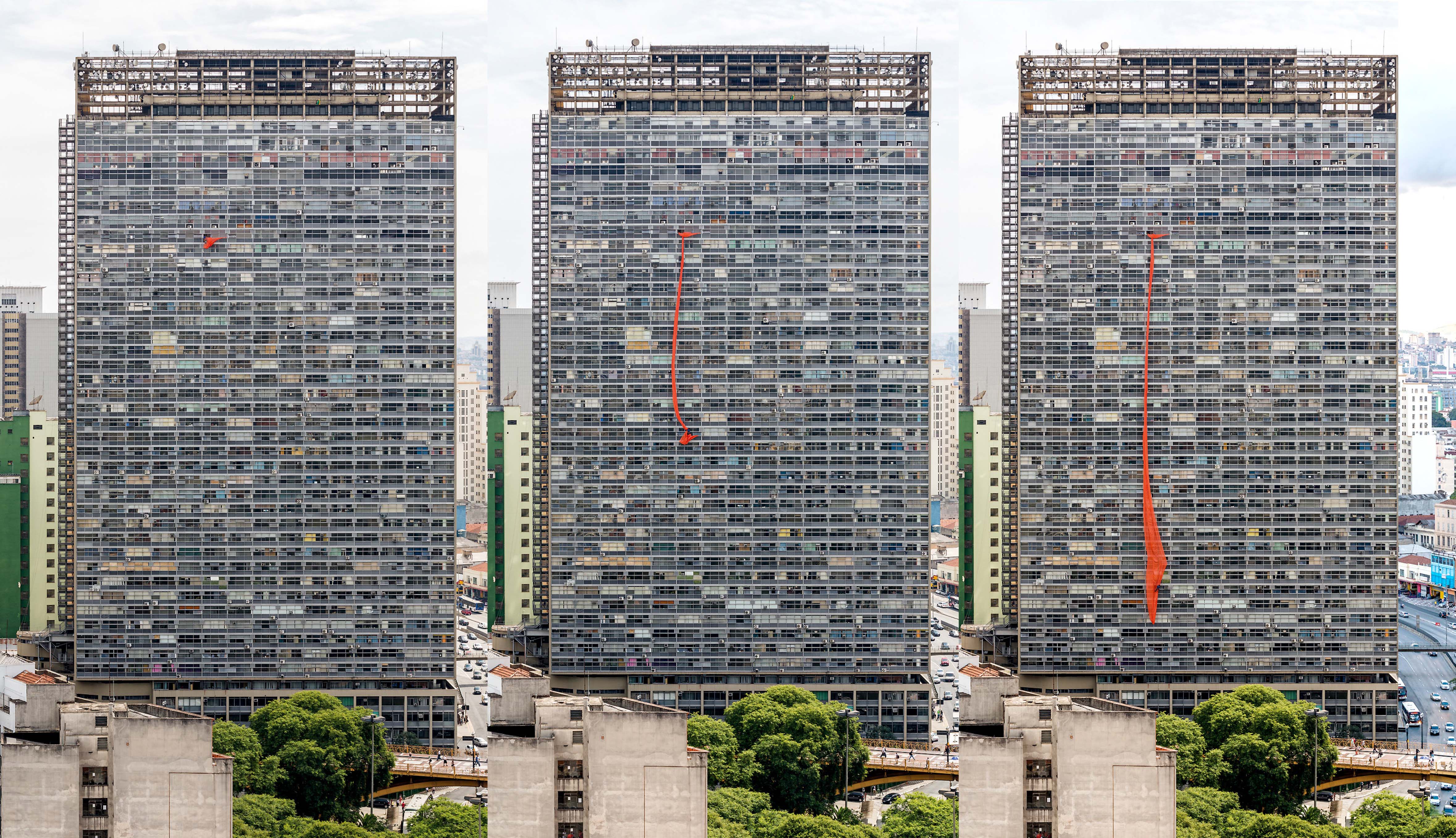
A monumental intervention on the façade of Brazil’s tallest skyscraper at the time, the Mirante do Vale. Across 37 floors, an orange construction safety net transformed the building into a visible manifesto during the São Paulo Biennale: a statement for an art that does not merely occupy urban space but transforms it.
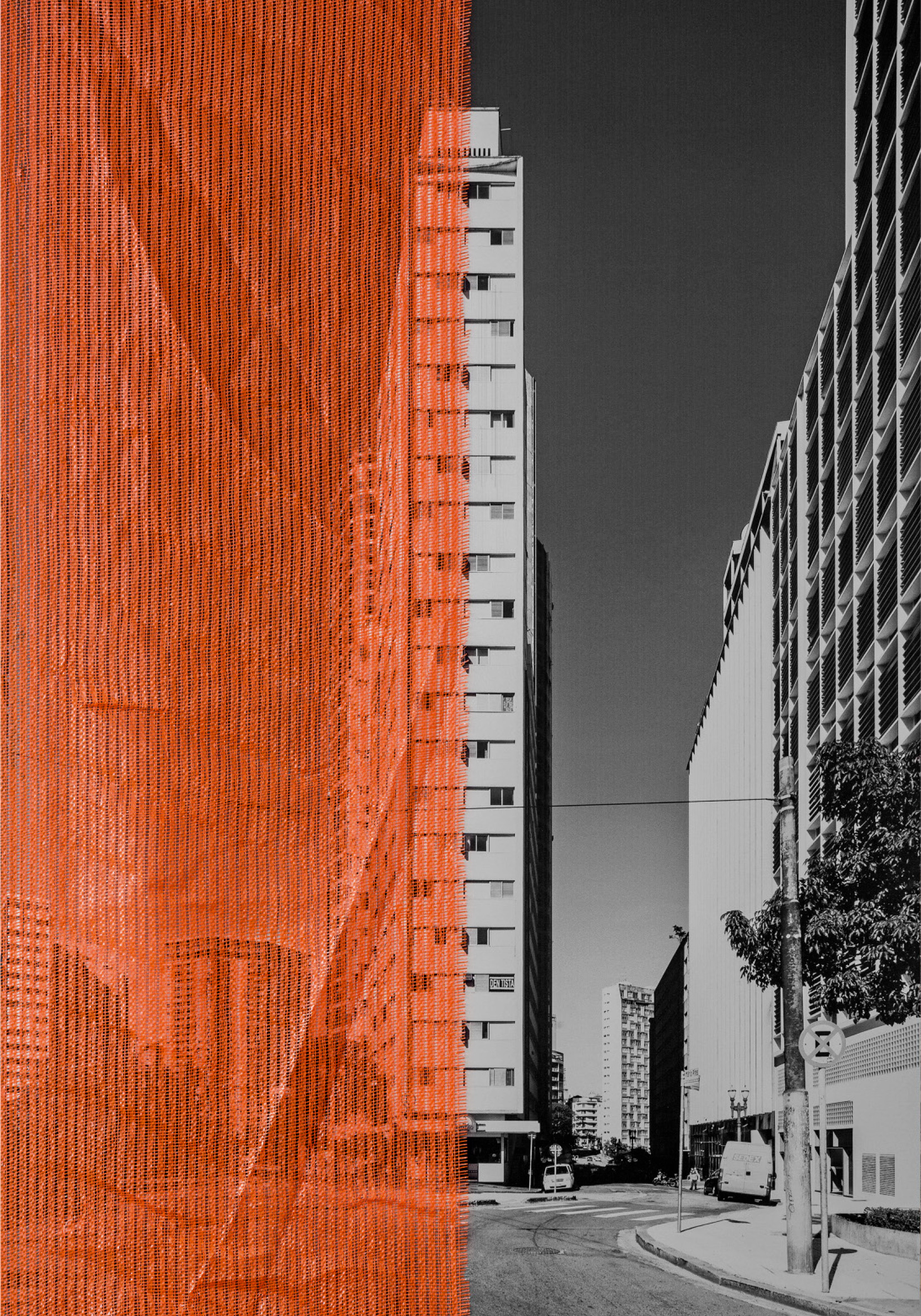
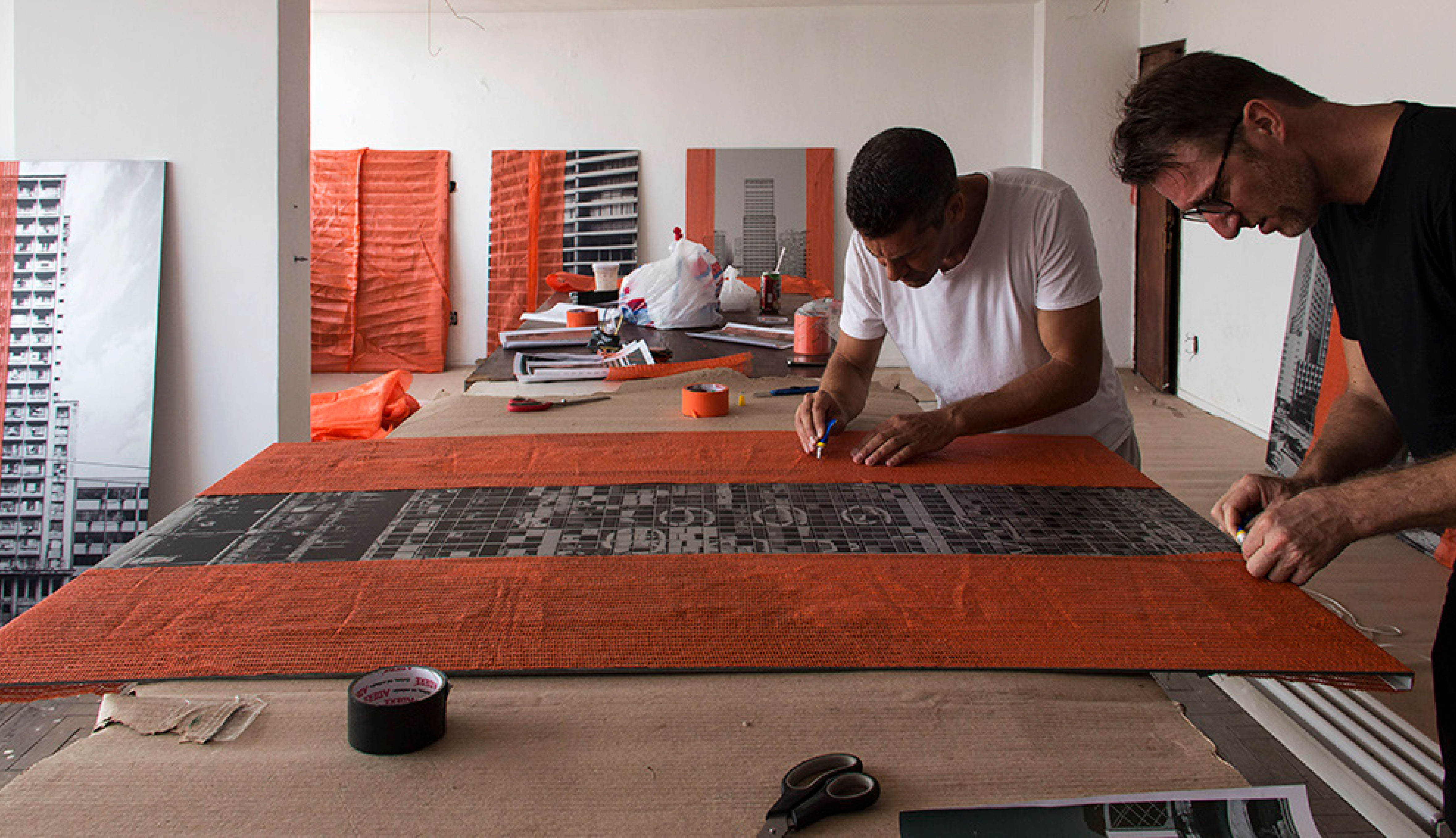
Alongside this, MAYO and the co-curators Michelle Castro and Leonardo Finotti presented the exhibition Art towards Architecture, featuring twelve large-scale collages based on photographs of Brazilian Modernism by Leonardo Finotti.
“Result of a successful joint competition In collaboration with Lussi & Halter Architects, Lucerne.
During the Renaissance — that era in which architecture was regarded as the highest form of expression of the alma mater — the roles of architect, artist, and sculptor were united. A similar, though contemporarily restrained and holistic attitude characterizes the construction of the two SBB office buildings.
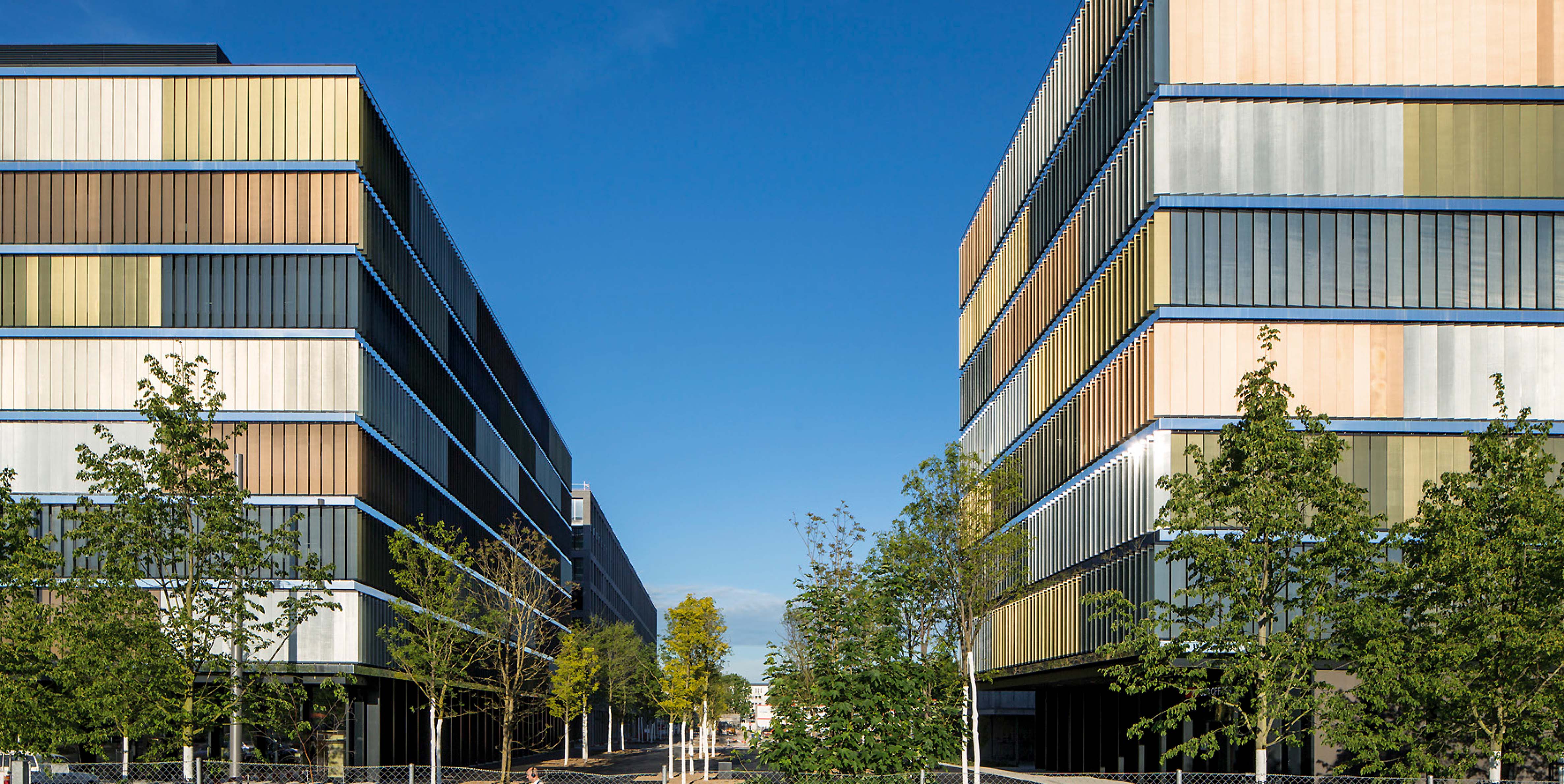
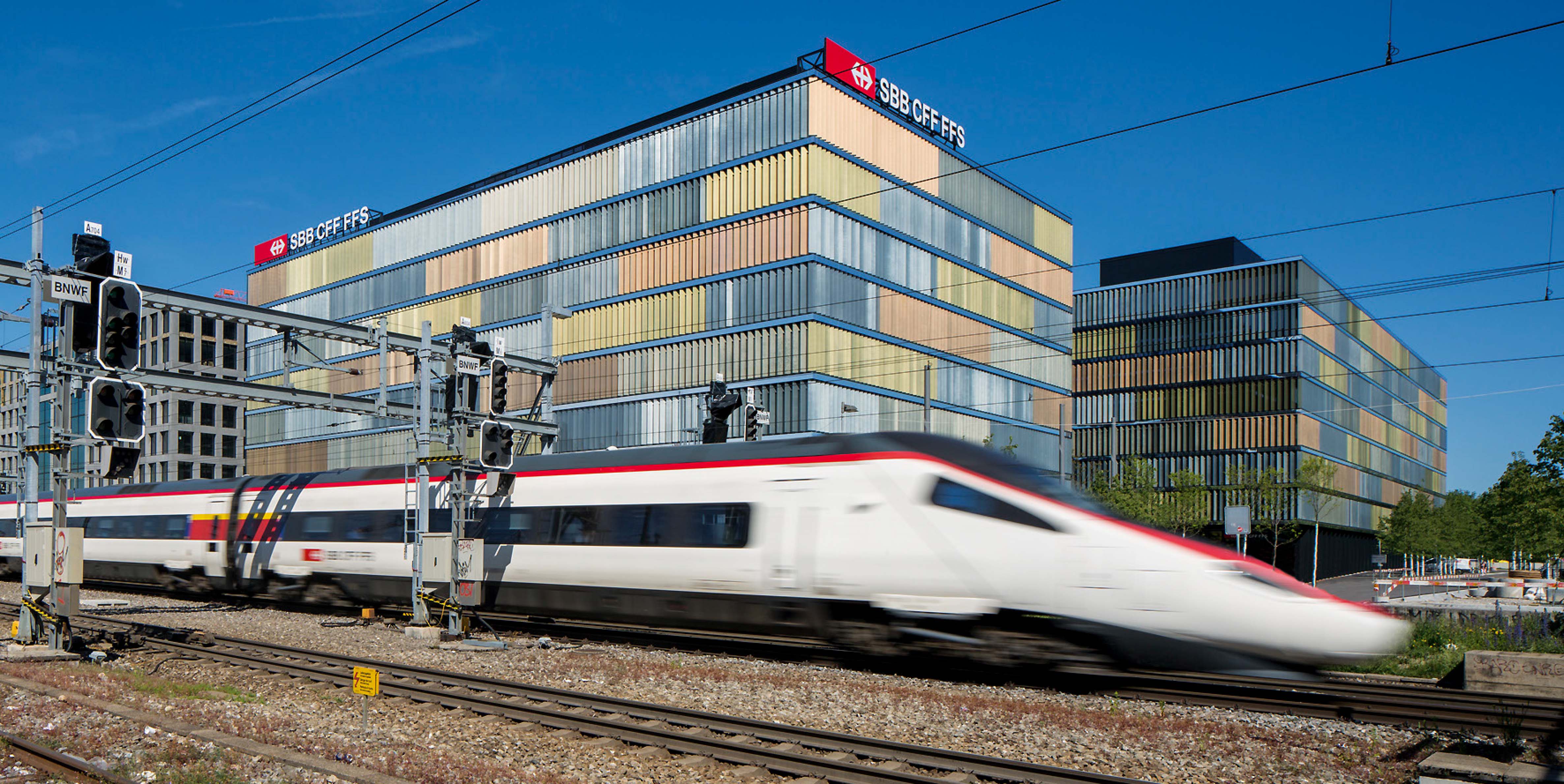
The central element of their appearance is the suspended, movable façade made of colored glass fins called “GIRASOLE,” which wraps around the building volumes like a garment. Around 1,800 fins respond to the position of the sun, weather conditions, and incoming light, adjusting themselves to ensure an optimal indoor and working climate. As a result, the buildings’ appearance changes continuously — over the course of the day as well as throughout the year.
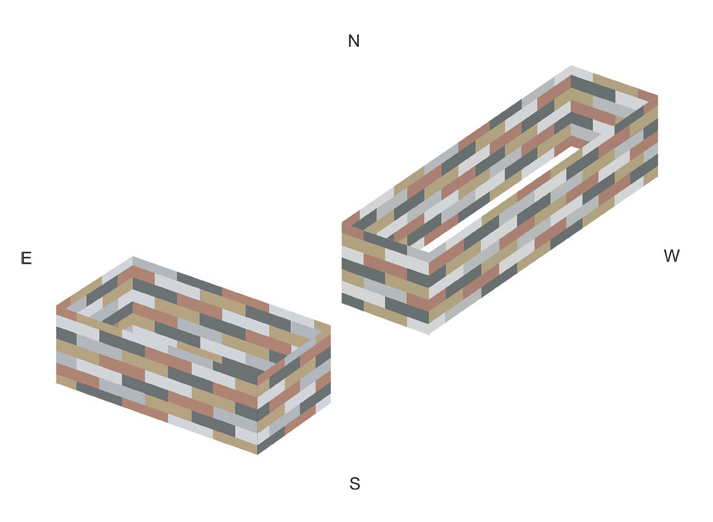
The façade design is based on just five metallic color tones. Across all five stories, these unfold into a meandering color composition that encircles both buildings, without identical color combinations ever touching.
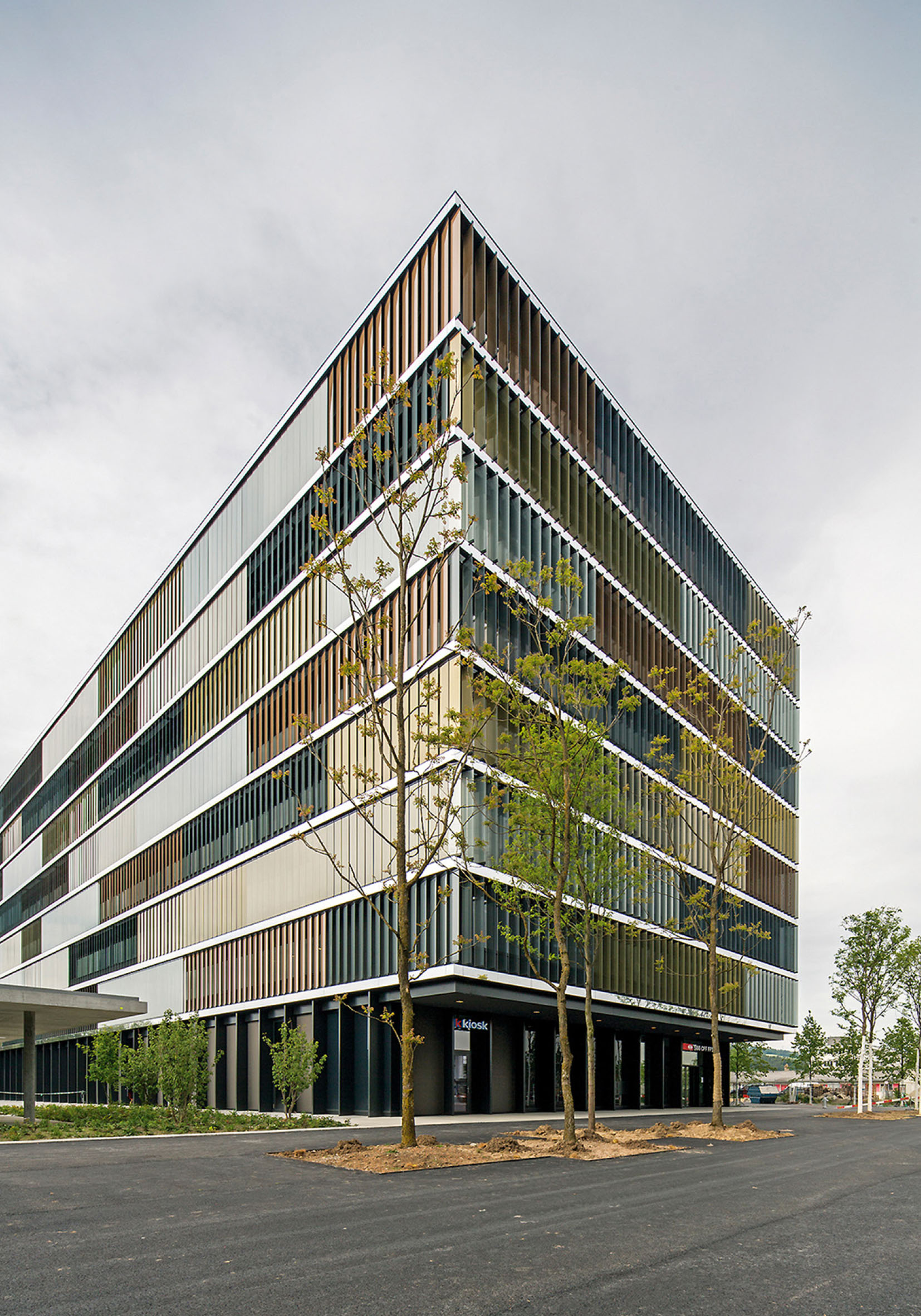
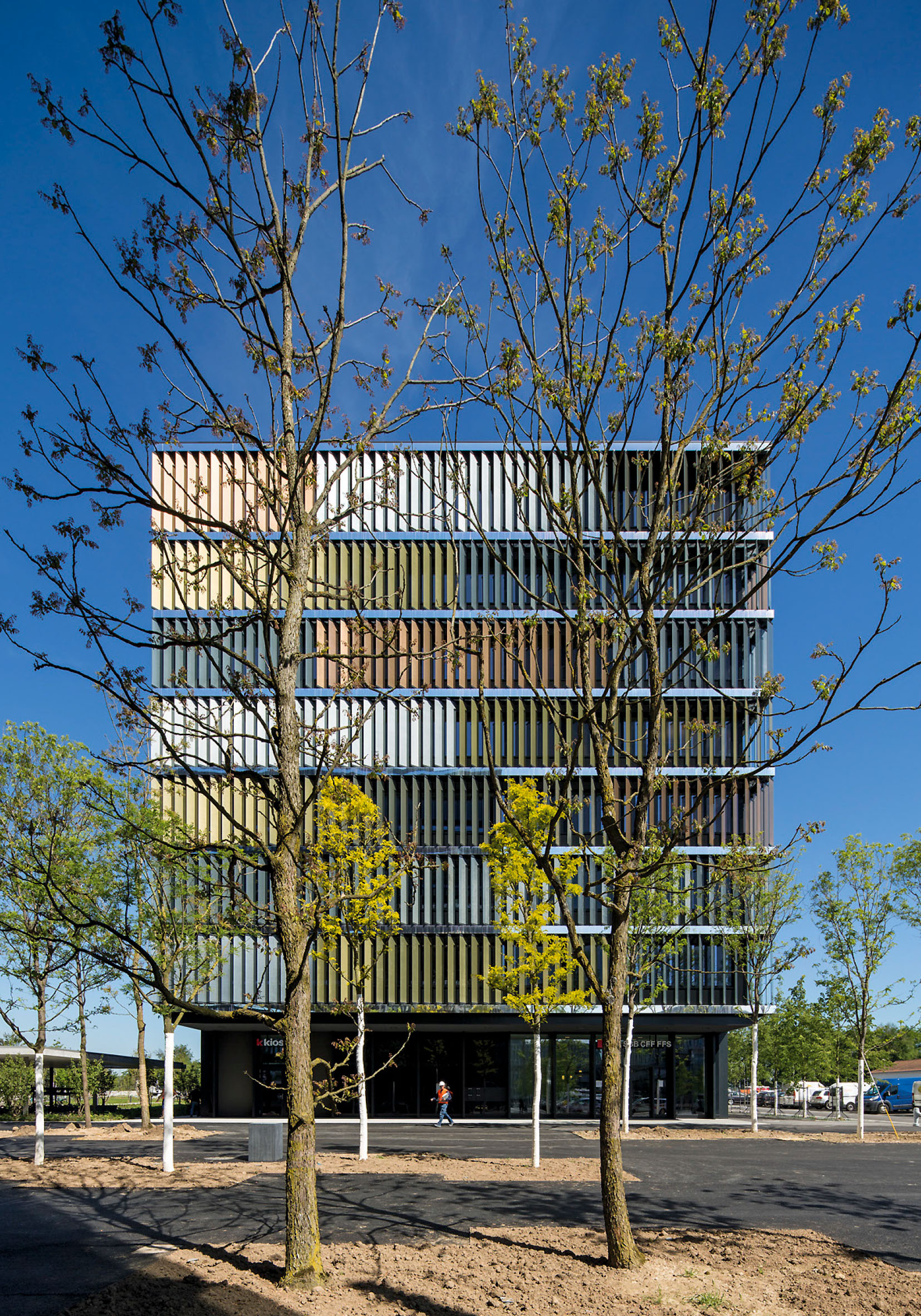
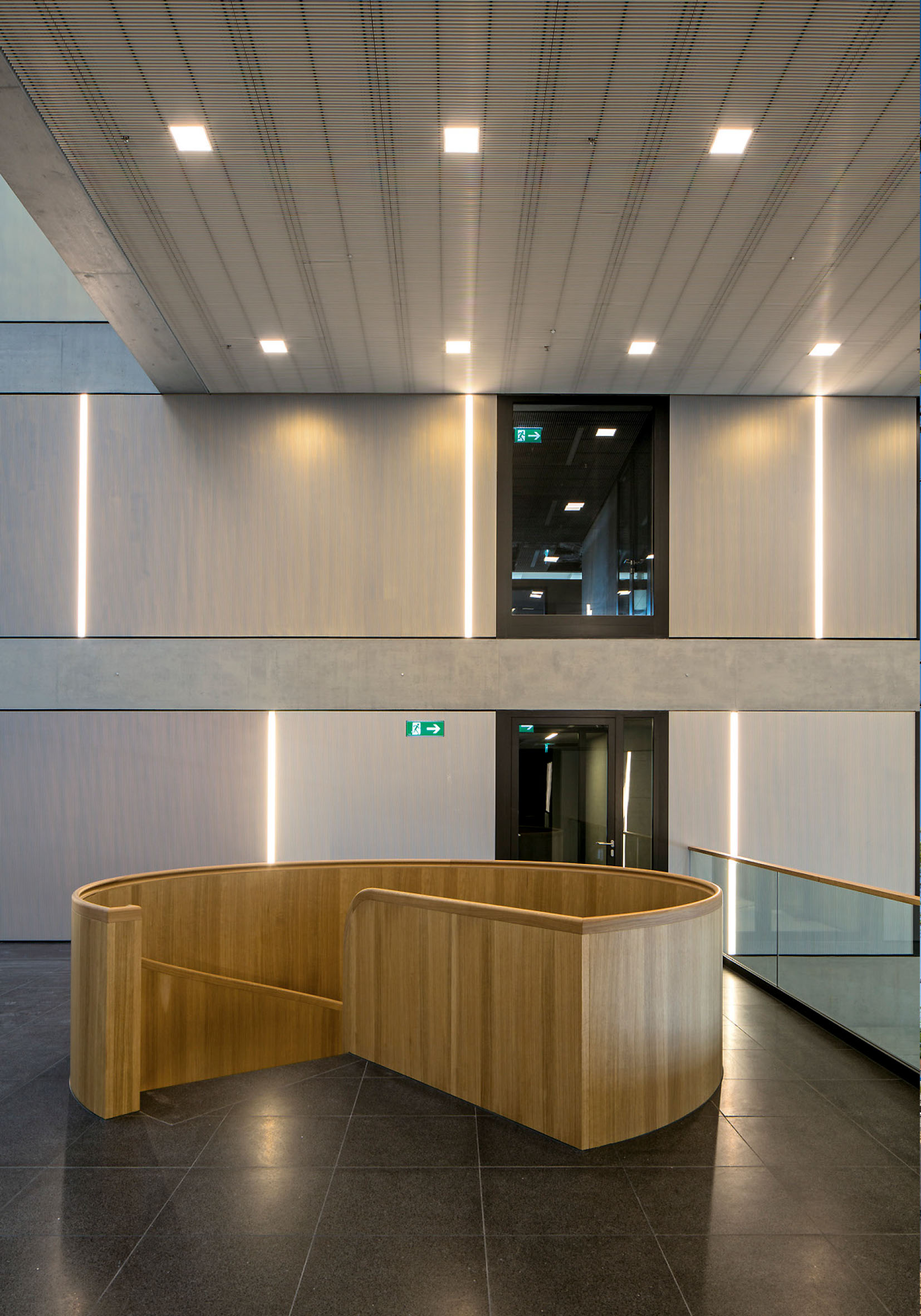
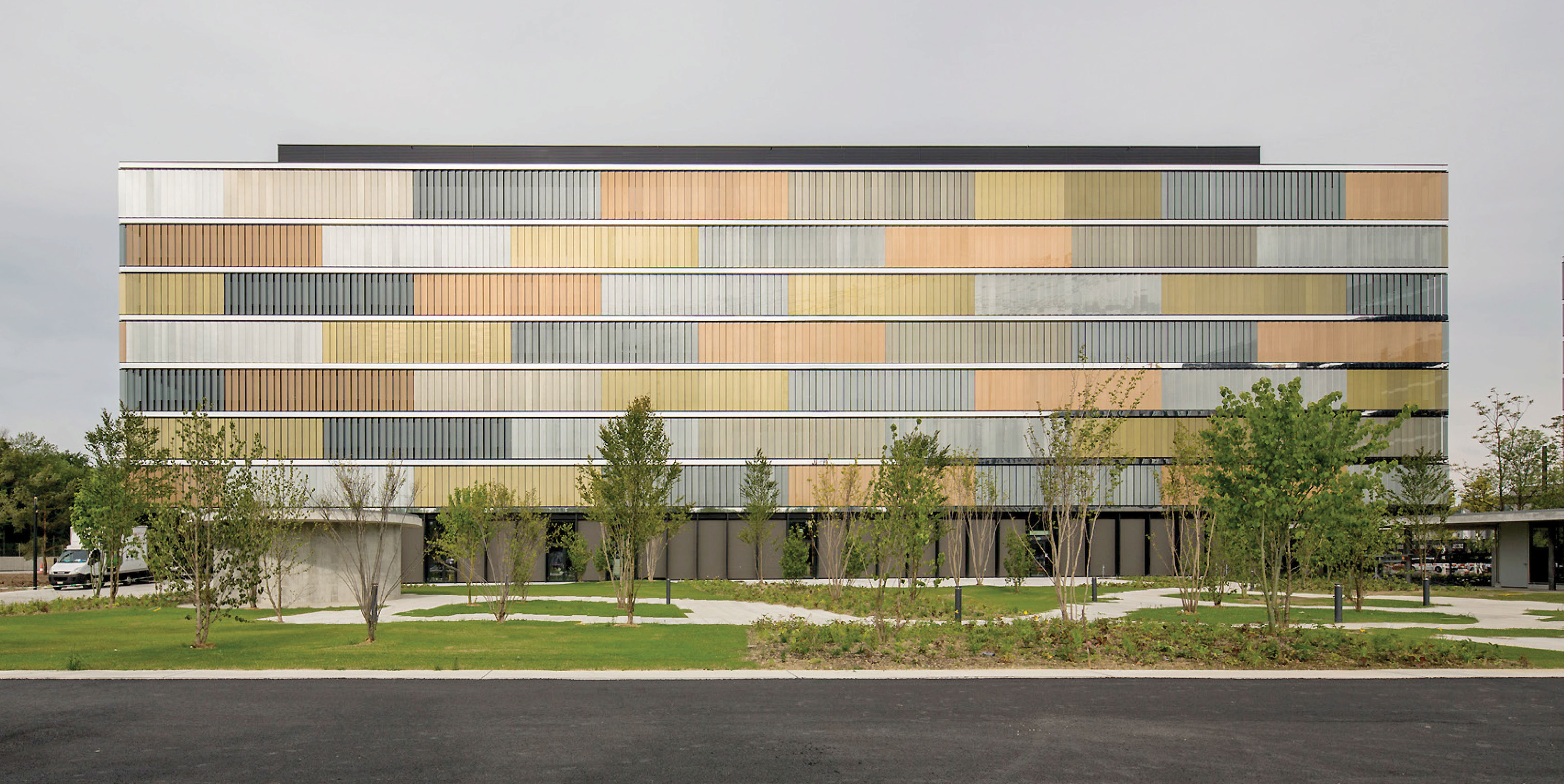
An example of how art and architecture enrich one another in public space.
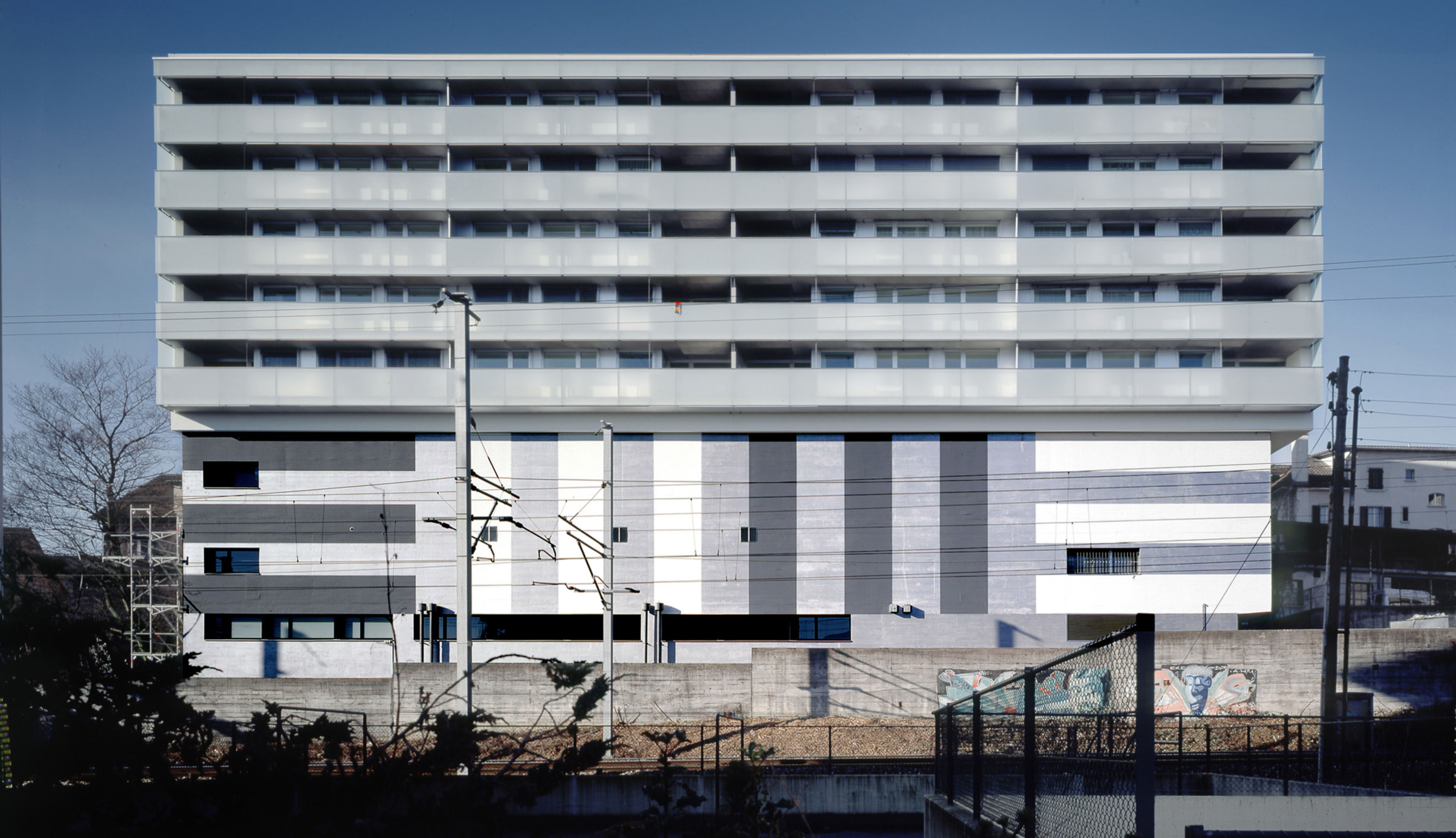
The residential and commercial building from the 1960s, located along the Basel–Milan railway line in Emmenbrücke, underwent extensive renovation. In an initial and complex collaboration with Lussi & Halter Architects in Lucerne, MAYO designed a highly visible, self-assured, and humorously cryptic sign reading “EMME” on the building’s front façade for this urban suburb of Lucerne.
When structural design and artistic expression are not understood as separate disciplines, an expanded field of perception emerges. The mural becomes part of the city’s identity — and the building a visible bearer of that attitude.
Emmenbrücke, Lucerne, 1999
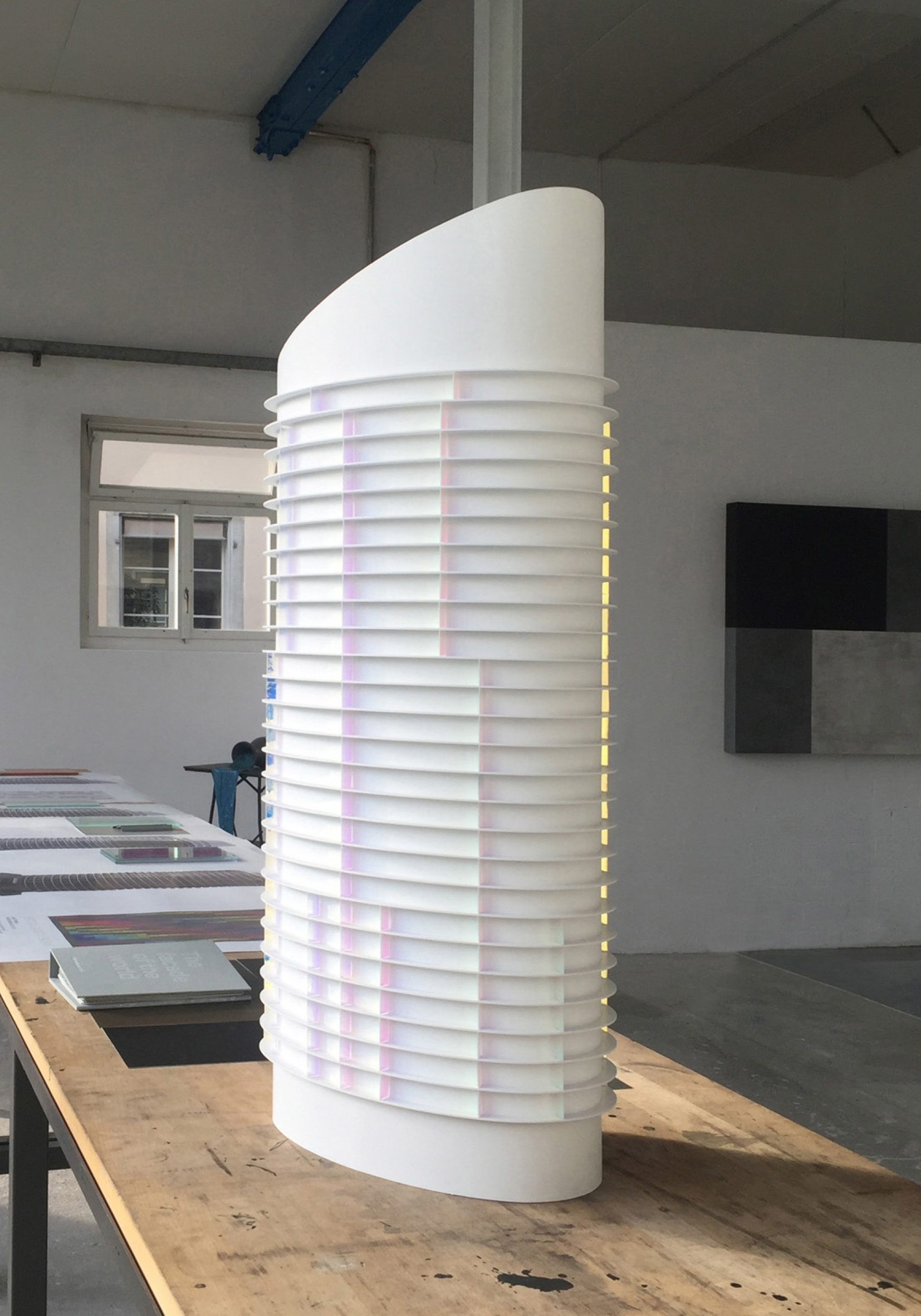
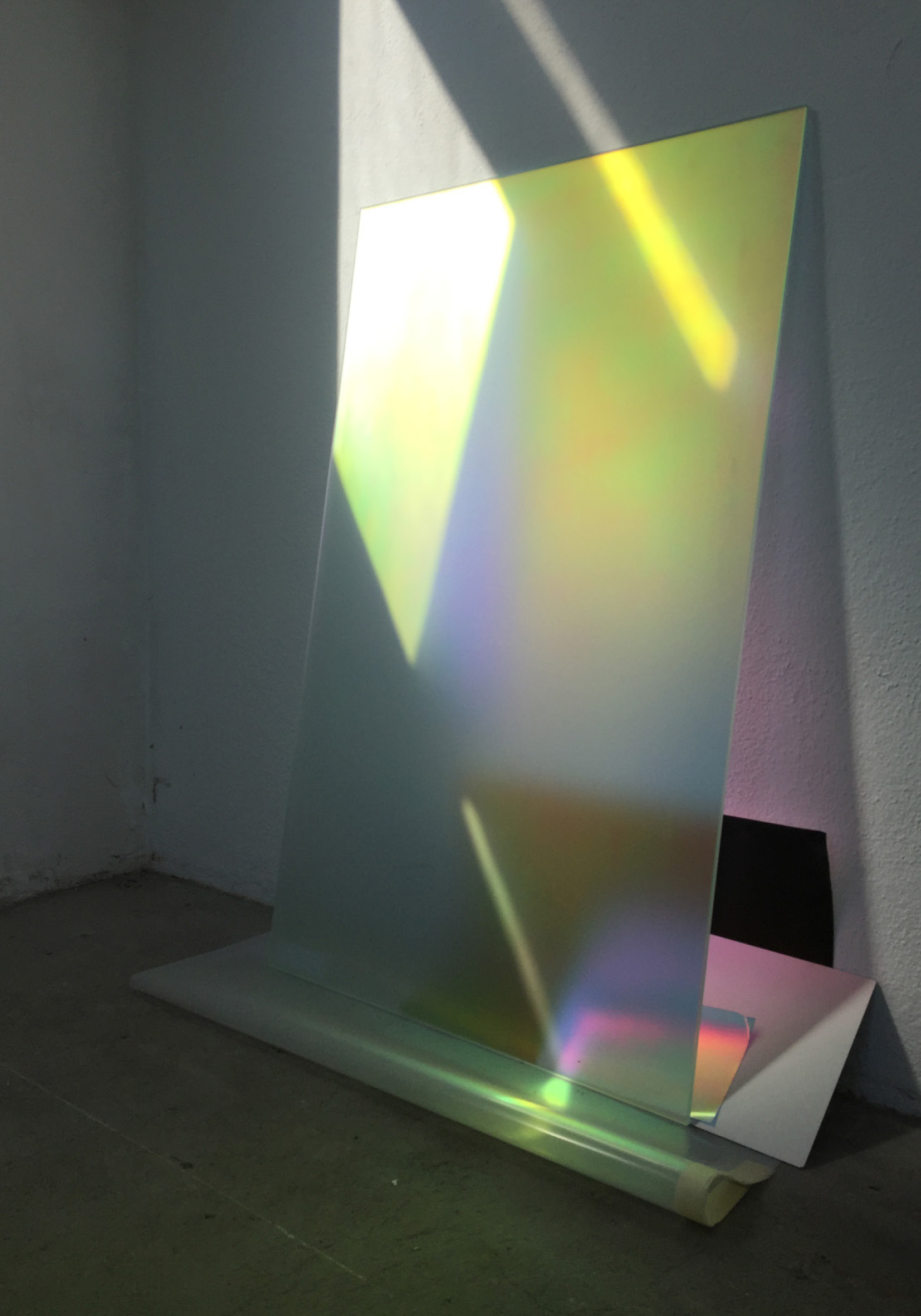
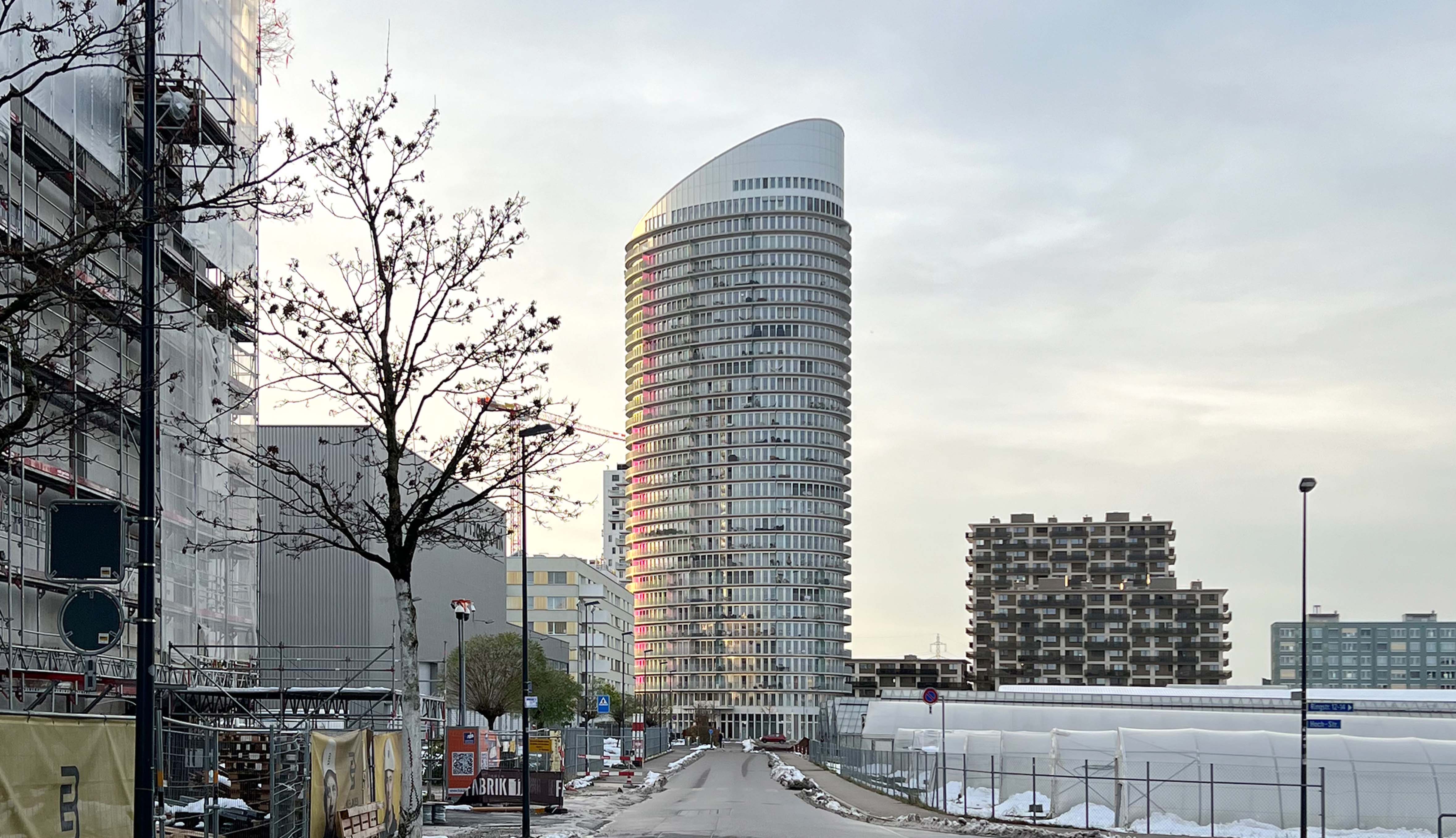
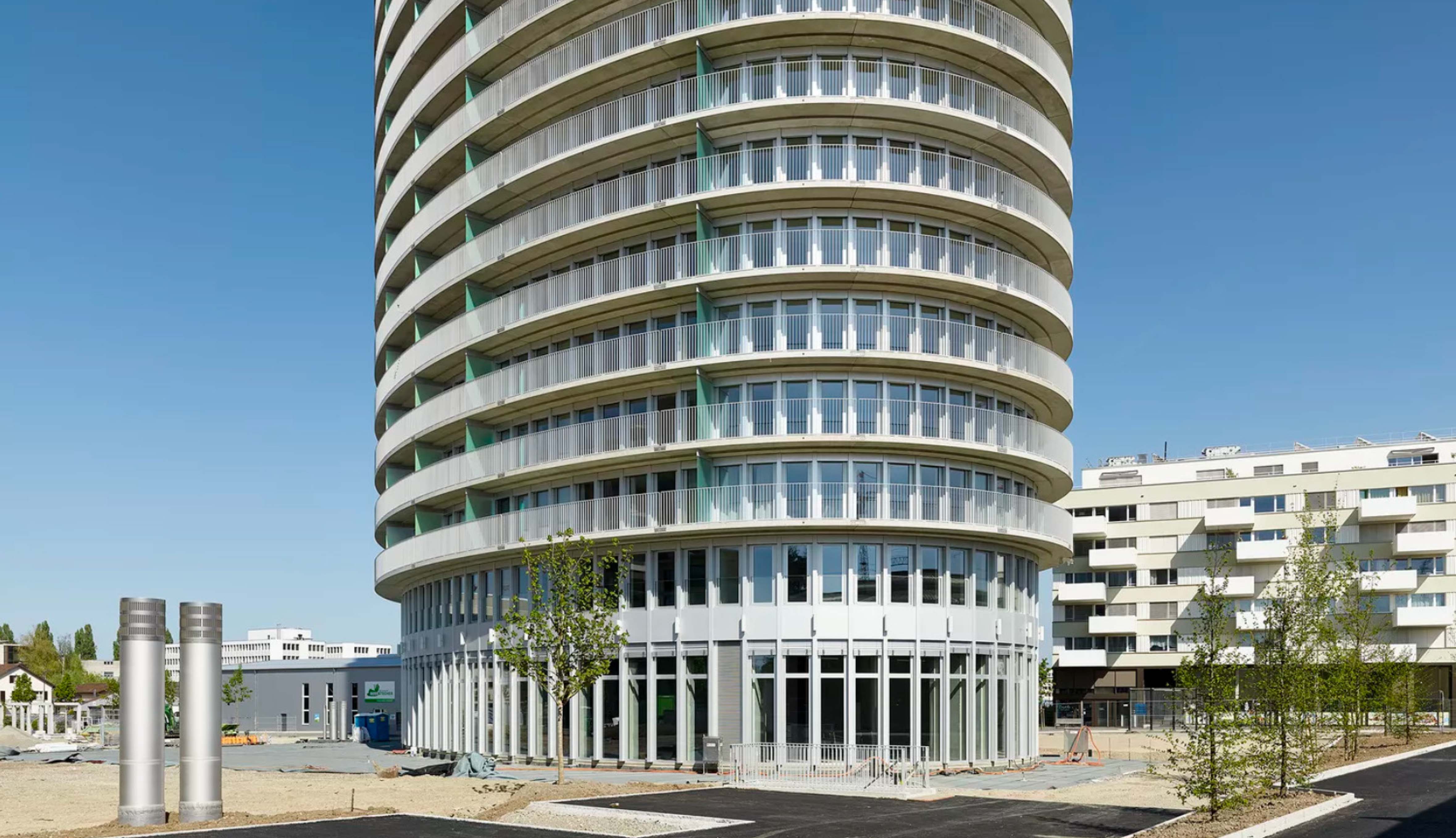
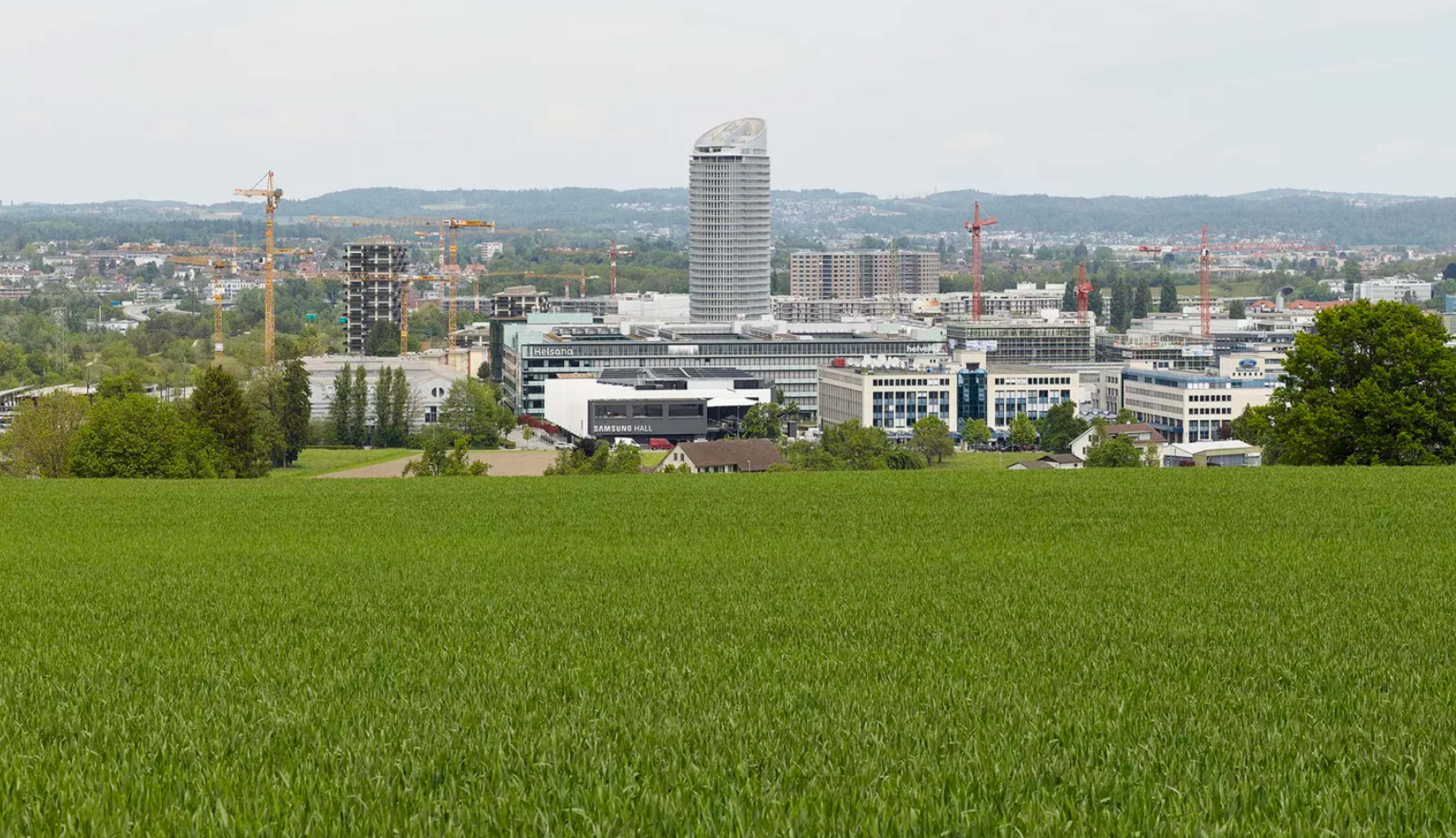
A site-specific intervention composed of interference-colored glass, aluminum, and concrete.
Translucent, 2.5-meter-tall vertical “glass fins” rise between the apartments, articulating proximity and distance. Their thin-film surfaces interact with incoming light, producing subtle chromatic shifts; as the sun moves and the day progresses, the façade continually changes in tone and intensity.
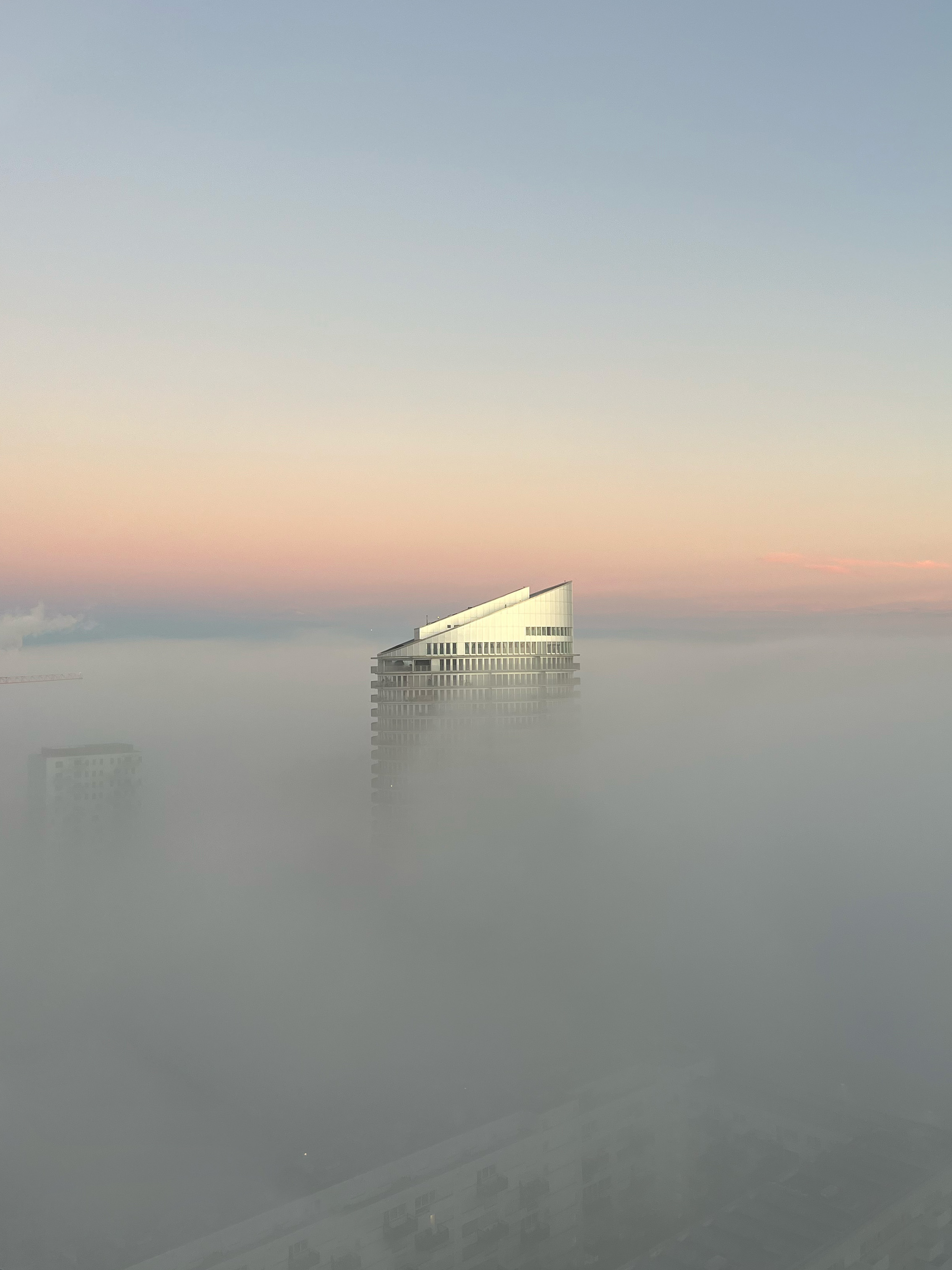
After dusk, a luminous LED band traces the building’s edge, softening its mass and transforming its silhouette into an abstract presence against the night sky.
Direct commission in collaboration with ADT and Sattler Partner Architects